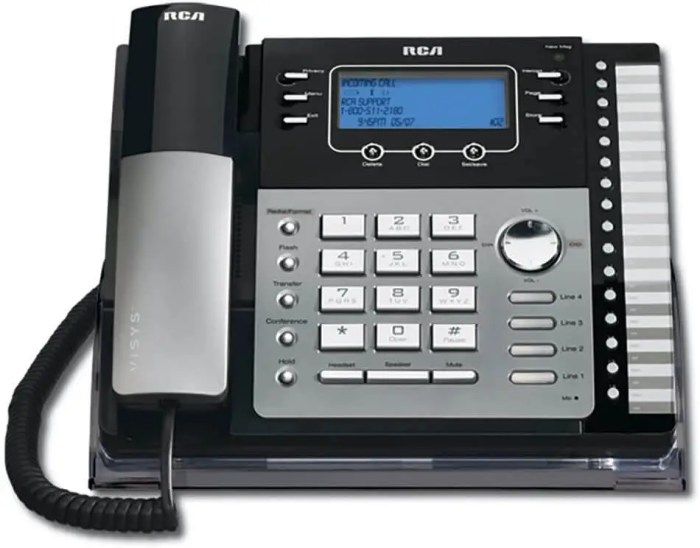
Efficient call center operations hinge on a robust multi-line telephone system. The right system streamlines communication, enhances agent productivity, and ultimately improves customer satisfaction. Choosing the best system, however, requires careful consideration of various factors, from scalability and cost to integration capabilities and advanced features. This exploration delves into the key aspects to help you navigate the selection process and optimize your call center’s performance.
From cloud-based solutions offering unparalleled flexibility to on-premise systems prioritizing control and security, the options are diverse. Understanding the nuances of each type, including their strengths and limitations regarding cost, maintenance, and scalability, is crucial for making an informed decision. This guide will equip you with the knowledge to choose the system that best aligns with your call center’s unique needs and long-term goals.
Introduction to Multi-Line Telephone Systems for Call Centers
Multi-line telephone systems are the backbone of efficient call center operations. They provide the infrastructure necessary to handle a high volume of incoming and outgoing calls, ensuring smooth communication and improved customer service. These systems go far beyond basic phone lines, offering a range of features designed to optimize call handling, agent productivity, and overall call center performance.A robust multi-line phone system offers significant advantages for call centers.
By centralizing communication and providing advanced features, these systems streamline workflows, improve agent efficiency, and enhance the overall customer experience. The result is increased productivity, reduced operational costs, and improved customer satisfaction.
Essential Features of Multi-Line Phone Systems for Call Centers
Multi-line phone systems designed for call centers incorporate several crucial features to manage call volume and enhance agent performance. These features are essential for maintaining high service levels and ensuring customer satisfaction. Key features include automatic call distributors (ACDs), interactive voice response (IVR) systems, call recording and monitoring capabilities, call queuing, and integration with CRM systems. The ACD intelligently routes incoming calls to available agents, minimizing wait times.
The IVR system allows callers to self-serve by navigating menus to access information or reach specific departments. Call recording and monitoring provide valuable data for quality assurance and training purposes. Call queuing ensures that no call is missed, even during peak hours. Finally, integration with CRM systems provides agents with immediate access to customer information, improving service quality and personalization.
Benefits of Implementing a Multi-Line Phone System in a Call Center
The implementation of a robust multi-line phone system yields substantial benefits for call centers. These systems directly impact key performance indicators (KPIs), leading to significant improvements in efficiency and customer satisfaction. Improved call routing and reduced wait times lead to increased customer satisfaction. Enhanced agent productivity, through features like call monitoring and CRM integration, contributes to higher call resolution rates and improved agent performance.
The ability to analyze call data provides valuable insights into call center performance, allowing for targeted improvements and resource optimization. Finally, cost savings can be achieved through increased efficiency and reduced operational overhead.
Call Center Scenarios Where Multi-Line Systems are Crucial
Several call center scenarios highlight the critical role of multi-line phone systems. For instance, during peak hours or promotional campaigns, a multi-line system ensures that all incoming calls are handled efficiently, preventing call abandonment and maintaining high service levels. In customer support environments with high call volumes, the system’s features, such as ACD and IVR, are crucial for managing calls effectively and minimizing wait times.
Furthermore, in outbound call centers, a multi-line system facilitates efficient dialing campaigns, tracking call results, and optimizing agent performance. In emergency response call centers, the system’s reliability and ability to handle a large volume of simultaneous calls are essential for ensuring timely and effective responses. Finally, in large, geographically dispersed call centers, a multi-line system enables seamless communication and collaboration among agents and supervisors across different locations.
Types of Multi-Line Telephone Systems
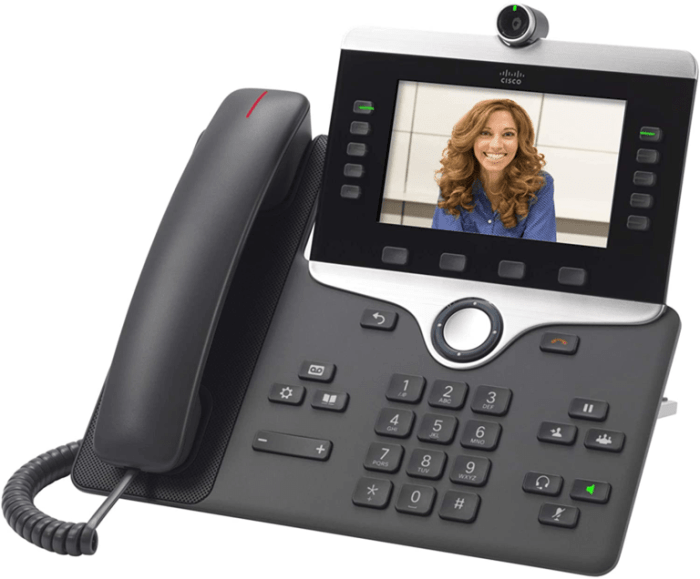
Choosing the right multi-line phone system for your call center is crucial for efficiency and scalability. The market offers several options, each with its own set of strengths and weaknesses. Understanding these differences is key to making an informed decision. This section will explore the three primary types: cloud-based, on-premise, and hybrid systems.
The selection of a multi-line phone system hinges on several factors, including budget, technical expertise, desired features, and the need for scalability. Each type offers a unique balance of these considerations, impacting overall operational efficiency and cost-effectiveness.
Cloud-Based Multi-Line Phone Systems
Cloud-based systems, also known as VoIP (Voice over Internet Protocol) systems, host all the system’s software and hardware on a remote server managed by a third-party provider. This eliminates the need for on-site equipment and IT maintenance. Companies like RingCentral, 8×8, and Nextiva offer robust cloud-based solutions specifically designed for call centers.
Advantages include scalability (easily adding or removing lines as needed), lower upfront costs (no expensive hardware purchases), and simplified maintenance (the provider handles updates and repairs). Disadvantages can include potential reliance on internet connectivity (affecting call quality during outages), security concerns (data stored off-site), and potential vendor lock-in.
On-Premise Multi-Line Phone Systems
On-premise systems involve installing and maintaining all hardware and software on your company’s premises. This typically involves purchasing physical phone systems, servers, and related equipment. This approach offers greater control over the system and data security.
Advantages include greater control over data security and system customization, potentially lower monthly costs (after the initial investment), and no reliance on internet connectivity for core functionality. Disadvantages include high upfront costs (hardware and installation), ongoing maintenance responsibilities (requiring dedicated IT staff), and limited scalability (adding lines often requires significant upgrades).
Hybrid Multi-Line Phone Systems
Hybrid systems combine elements of both cloud-based and on-premise solutions. This approach allows companies to leverage the benefits of both models, such as using cloud services for certain features (e.g., call routing) while retaining on-site control over other aspects (e.g., sensitive data storage).
Advantages include a balance between cost, control, and scalability, allowing for flexibility in adapting to changing needs. Disadvantages involve increased complexity in management and potential integration challenges between cloud and on-premise components.
Comparison of Multi-Line Phone Systems
The following table compares key features of four different multi-line phone systems, representing various approaches to deployment and functionality. Note that pricing is highly variable and depends on features, number of users, and contract terms.
| Feature | Cloud-Based (e.g., RingCentral) | On-Premise (e.g., Avaya Aura) | Hybrid (e.g., Cisco Webex Calling) | Hosted PBX (e.g., Mitel MiCloud Connect) |
|---|---|---|---|---|
| Number of Lines | Highly Scalable | Limited by hardware; requires upgrades | Scalable, with limitations based on on-premise components | Scalable within the service plan |
| Call Routing Capabilities | Advanced features (IVR, call queues, etc.) | Highly customizable, advanced features available | Combination of cloud and on-premise routing capabilities | Robust features, often customizable |
| Integration Options | Extensive API integrations with CRM and other tools | Dependent on system and available modules | Varied integration options, depending on cloud and on-premise components | Good integration capabilities with Mitel ecosystem and select third-party tools |
| Pricing Model | Subscription-based, per-user or per-line | High upfront cost, potential ongoing maintenance fees | Combination of upfront and subscription costs | Subscription-based, typically per-user or per-line |
Key Features to Consider When Choosing a System
Selecting the right multi-line telephone system for your call center is crucial for operational efficiency and customer satisfaction. The features you choose directly impact agent productivity, customer experience, and overall business performance. Careful consideration of several key aspects will ensure a system that meets your current and future needs.
Call Routing and Queuing
Efficient call routing and queuing are paramount in a call center environment. Call routing determines how incoming calls are directed to the appropriate agents based on various criteria, such as skill sets, availability, or call type. This ensures that calls are answered by the most qualified agents, minimizing wait times and improving customer satisfaction. Intelligent queuing systems manage incoming calls when all agents are busy, prioritizing calls based on pre-defined rules (e.g., VIP customers) and providing callers with estimated wait times or options like callbacks.
Effective call routing and queuing minimize call abandonment rates and enhance the overall customer experience. For example, a system might prioritize calls from existing high-value customers, routing them to experienced agents immediately, while placing less urgent calls in a queue with a projected wait time.
CRM and Business Application Integration
Integrating your multi-line telephone system with your Customer Relationship Management (CRM) system and other business applications is vital for streamlining workflows and providing agents with a comprehensive view of each customer. This integration allows agents to access customer history, past interactions, and relevant account information directly within the phone system interface, enabling personalized and efficient service. Further integration with other applications, such as inventory management systems or ticketing platforms, can enhance operational efficiency and improve overall customer service.
For instance, an agent handling a product inquiry can instantly access inventory levels and order status through the integrated system, providing immediate and accurate information to the customer.
Reporting and Analytics
Robust reporting and analytics capabilities are essential for monitoring call center performance and identifying areas for improvement. A good system should provide detailed reports on key metrics such as call volume, average handling time (AHT), abandonment rates, agent performance, and customer satisfaction scores. These reports enable managers to track key performance indicators (KPIs), identify trends, and make data-driven decisions to optimize call center operations.
Real-time dashboards can provide an immediate overview of current performance, allowing for proactive adjustments and immediate issue resolution. For example, if the average handling time suddenly increases, managers can investigate the cause and take corrective action.
| Feature | Impact on Call Center Efficiency | Example | Measurable Benefit |
|---|---|---|---|
| Intelligent Call Routing | Reduces call handling time, improves first-call resolution | Routing calls based on agent expertise and customer history | Lower AHT, higher customer satisfaction scores |
| Interactive Voice Response (IVR) | Automates initial call handling, freeing up agents for complex issues | Self-service options for account balance inquiries or appointment scheduling | Reduced call volume, faster response times for urgent issues |
| CRM Integration | Provides agents with complete customer context, leading to personalized service | Access to customer history, purchase details, and past interactions | Improved customer satisfaction, increased sales conversion rates |
| Real-time Reporting & Analytics | Enables proactive performance monitoring and identification of bottlenecks | Dashboards showing call volume, AHT, and agent performance | Improved resource allocation, faster problem resolution |
Call Center Software and Integration
Integrating robust call center software with your multi-line phone system is crucial for optimizing operations and enhancing customer interactions. The right software can automate tasks, provide valuable analytics, and improve agent efficiency, ultimately leading to a more positive customer experience. Choosing the appropriate software depends heavily on the specific needs and size of your call center.Effective integration streamlines workflows, eliminating the need for agents to switch between different applications.
This seamless transition reduces errors, improves response times, and enhances overall productivity. Furthermore, integrated systems often provide a unified view of customer interactions, allowing agents to access a complete history of past communications, leading to more personalized and efficient service.
Popular Call Center Software Options
Several popular software options offer robust integration capabilities with multi-line phone systems. These platforms typically offer a range of features designed to improve call center performance, including call routing, reporting, and agent management tools. The choice of software often depends on factors such as budget, call volume, and specific business requirements.
- Five9: Five9 is a cloud-based contact center platform known for its scalability and comprehensive feature set. It offers features such as intelligent routing, workforce management, and real-time analytics. Its integration with various phone systems allows for seamless call handling and data synchronization.
- Aircall: Aircall is another cloud-based solution focusing on user-friendliness and ease of implementation. It boasts intuitive interfaces, making it suitable for businesses of all sizes. Aircall’s integrations enable smooth call routing, call recording, and CRM integration, streamlining workflows and improving agent productivity.
- Talkdesk: Talkdesk is a cloud-based contact center platform designed for scalability and flexibility. It offers advanced features such as AI-powered routing, sentiment analysis, and predictive analytics. Its integrations allow for seamless connection with various CRM and other business applications, enhancing data visibility and operational efficiency.
Feature Comparison of Call Center Software
Comparing these three platforms highlights the variations in features and functionalities. While all three offer core call center functionalities, their strengths lie in different areas.
| Feature | Five9 | Aircall | Talkdesk |
|---|---|---|---|
| Scalability | Excellent; suitable for large enterprises | Good; scales well for growing businesses | Excellent; designed for high-volume call centers |
| Ease of Use | Moderate learning curve | Highly intuitive and user-friendly | Moderate learning curve; powerful features require training |
| Integration Capabilities | Wide range of integrations with CRM and other business applications | Strong integration capabilities with popular CRM and business tools | Extensive integration options, including custom integrations |
| Pricing | Enterprise-level pricing | Tiered pricing options for different business needs | Tiered pricing; pricing scales with features and usage |
| AI Capabilities | Advanced AI features, including sentiment analysis and predictive routing | Basic AI features | Advanced AI capabilities, including conversational AI and predictive analytics |
Seamless Integration and its Impact
Seamless integration of call center software with multi-line phone systems directly translates to increased productivity and improved customer experience. For example, automatic call distribution (ACD) based on skill-based routing, enabled through integration, ensures that calls are directed to the most appropriate agent, reducing wait times and improving customer satisfaction. Furthermore, real-time data and analytics provide valuable insights into agent performance, call trends, and customer behavior, enabling data-driven decision-making and process optimization.
Integrated CRM systems allow agents to access complete customer profiles, leading to more personalized and efficient service, ultimately enhancing customer loyalty. The elimination of manual data entry and the reduction of context switching between applications significantly boosts agent efficiency and reduces errors.
Cost and Scalability Considerations
Choosing a multi-line phone system for your call center involves careful consideration of both upfront and long-term costs, as well as the system’s ability to adapt to your business’s growth. Understanding the various pricing models and planning for scalability are crucial for maximizing your return on investment and ensuring smooth operations as your call center expands.Different pricing models exist, each with its own implications for budgeting and long-term expenses.
Understanding these models allows for informed decision-making, aligning the system’s cost with your operational needs and financial capabilities. Effective scaling strategies, in turn, ensure the system remains efficient and cost-effective as your business grows.
Pricing Models for Multi-Line Phone Systems
Multi-line phone systems typically employ one of several pricing models: per-line, per-user, or subscription-based. Per-line pricing charges a fee for each individual phone line, regardless of usage. Per-user pricing charges a fee for each agent or user accessing the system. Subscription-based models offer a recurring monthly or annual fee, often including a set number of lines and features.
The best model depends on your call center’s size, anticipated growth, and feature requirements. For instance, a small call center with a stable number of agents might find per-line pricing suitable, while a rapidly growing center might benefit from a flexible subscription model.
Strategies for Scaling a Multi-Line Phone System
Scaling a multi-line phone system requires proactive planning. This involves choosing a system with inherent scalability, meaning it can easily accommodate additional lines, users, and features without significant disruption or costly upgrades. Cloud-based systems, for example, generally offer superior scalability compared to on-premise solutions. As your call center grows, you can simply add more users or lines through the system’s interface, rather than needing extensive hardware or software installations.
Regular system performance monitoring allows for early identification of potential bottlenecks, enabling proactive adjustments before they impact operations. For example, a company experiencing increased call volume during peak seasons might temporarily lease additional lines or upgrade bandwidth to handle the surge.
Cost-Effectiveness Comparison of Different System Types Over Time
The following table compares the cost-effectiveness of different multi-line phone system types over a five-year period, assuming a moderate growth rate. These are illustrative figures and actual costs may vary based on specific vendor offerings and call center needs.
| System Type | Year 1 Cost | Year 3 Cost | Year 5 Cost |
|---|---|---|---|
| On-Premise PBX | $10,000 (initial investment) + $2,000 (annual maintenance) | $14,000 (including upgrades) | $20,000 (including major upgrades) |
| Cloud-Based System (per-user) | $500/user/year | $750/user/year (increased users) | $1000/user/year (increased users and features) |
| Hybrid System | $5,000 (initial investment) + $1,000/year (cloud services) | $8,000 (including upgrades and cloud services) | $12,000 (including upgrades and cloud services) |
Electronic Telephone Systems
The evolution of electronic telephone systems has fundamentally reshaped call center technology, transitioning from simple, single-line connections to sophisticated, feature-rich systems capable of handling massive call volumes and complex routing strategies. This evolution has been driven by advancements in computing power, networking technologies, and software development, leading to significant improvements in efficiency, scalability, and cost-effectiveness for call centers.Electronic telephone systems rely on a variety of underlying technologies to deliver their functionality.
Key among these are Private Branch Exchanges (PBXs) and Voice over Internet Protocol (VoIP). Traditional PBX systems utilize dedicated telephone lines and internal switching mechanisms to connect calls within an organization. In contrast, VoIP systems leverage internet protocols to transmit voice calls as data packets over a network, offering greater flexibility and cost savings. Modern systems often integrate both technologies, combining the reliability of traditional PBX with the scalability and cost advantages of VoIP.
PBX and VoIP Technologies
Private Branch Exchanges (PBXs) are the backbone of many traditional telephone systems. They are essentially internal telephone switches that manage calls within an organization, allowing for features like call forwarding, voicemail, and call conferencing. PBX systems can be either hardware-based (requiring physical equipment) or software-based (running on servers). Hardware-based PBXs are generally more robust and reliable, but less flexible and more expensive.
Software-based PBXs offer greater flexibility and scalability but may require more sophisticated IT infrastructure.Voice over Internet Protocol (VoIP) represents a significant advancement in telephony. Instead of using dedicated telephone lines, VoIP uses the internet to transmit voice calls as data packets. This allows for significant cost savings, particularly for long-distance calls and international communication. VoIP also offers enhanced features like unified communications (combining voice, video, and messaging), integration with other business applications, and greater flexibility in terms of location and device usage.
However, VoIP systems are reliant on a stable internet connection and may be susceptible to network issues affecting call quality.
Traditional PBX vs. VoIP Systems
A comparison of traditional PBX and VoIP systems reveals distinct advantages and disadvantages. Traditional PBX systems are generally more reliable and offer better call quality in areas with poor internet connectivity. However, they are more expensive to install and maintain, less flexible in terms of scalability, and lack the advanced features offered by VoIP systems. VoIP systems, conversely, offer cost savings, scalability, and advanced features, but rely on a stable internet connection and can be susceptible to network disruptions affecting call quality.
The optimal choice depends on the specific needs and resources of the call center. For example, a call center with high call volumes and a need for advanced features might favor a VoIP system, while a call center in an area with unreliable internet access might prefer a traditional PBX.
Security Considerations for Electronic Telephone Systems
Security is paramount for electronic telephone systems in call center environments, where sensitive customer data is frequently handled. Threats can include unauthorized access, eavesdropping, and data breaches. To mitigate these risks, call centers should implement robust security measures, including strong passwords, encryption of voice and data traffic, firewalls, intrusion detection systems, and regular security audits. Furthermore, employee training on security best practices is essential to prevent human error from compromising the system.
Compliance with relevant data privacy regulations (like GDPR or CCPA) is also crucial. For instance, implementing end-to-end encryption for VoIP calls helps protect conversations from unauthorized interception, while multi-factor authentication can significantly enhance access control.
Troubleshooting and Maintenance
Maintaining a multi-line phone system in a call center is crucial for ensuring smooth operations and high agent productivity. Downtime translates directly into lost revenue and frustrated customers. Proactive troubleshooting and regular maintenance are essential to minimize disruptions and maximize the system’s lifespan.A well-maintained system also contributes to a positive agent experience, reducing frustration and improving call handling efficiency.
Understanding common issues and implementing preventative measures can significantly improve the overall performance and reliability of your call center’s communication infrastructure.
Common Issues and Solutions
Several common problems plague multi-line phone systems. These range from simple connectivity issues to more complex software glitches. Addressing these promptly is key to minimizing service interruptions. For instance, a common problem is poor call quality, often caused by insufficient bandwidth or network congestion. Solutions include upgrading internet service, optimizing network configuration, or implementing Quality of Service (QoS) protocols to prioritize voice traffic.
Another frequent issue is dropped calls, potentially stemming from faulty hardware, software bugs, or network instability. Troubleshooting steps involve checking cabling, restarting equipment, updating firmware, and contacting your service provider for network diagnostics. Finally, difficulty accessing voicemail or experiencing voicemail system failures often requires checking voicemail server settings, verifying user credentials, and ensuring adequate storage space. If these steps don’t resolve the issue, contacting your vendor’s technical support is advisable.
Importance of Regular Maintenance and System Updates
Regular maintenance is not merely a cost; it’s an investment in operational efficiency and longevity. Scheduled maintenance prevents minor problems from escalating into major outages. This includes regular inspections of hardware, software updates, and backups of system configurations. System updates often include bug fixes, security patches, and performance enhancements. Ignoring updates leaves your system vulnerable to security breaches and performance degradation.
For example, a company neglecting updates might find its system susceptible to viruses or exploits, leading to data loss or system downtime. Regular backups are crucial for data recovery in case of hardware failure or accidental data deletion. A well-defined maintenance schedule, including preventative measures and emergency response plans, is crucial for minimizing downtime and maintaining system integrity.
Best Practices for Maintaining Optimal System Performance
Implementing a proactive maintenance strategy is key to keeping your multi-line phone system running smoothly. This involves more than just occasional fixes; it’s about building a culture of preventative maintenance.
- Establish a regular maintenance schedule, including routine inspections and preventative measures.
- Keep software and firmware updated to the latest versions, incorporating bug fixes and security patches.
- Regularly back up system configurations and data to prevent data loss in case of hardware failure or system crashes.
- Conduct thorough testing after any software updates or hardware changes to ensure functionality.
- Train staff on basic troubleshooting techniques and empower them to resolve minor issues independently.
- Maintain detailed documentation of your system’s configuration, including network diagrams and user manuals.
- Establish a service level agreement (SLA) with your vendor to ensure timely support and maintenance.
- Invest in robust hardware with sufficient capacity to handle current and future call volumes.
- Monitor system performance regularly using built-in tools or third-party monitoring software to identify potential problems early on.
- Develop a comprehensive disaster recovery plan to minimize downtime in case of major system failures.
Future Trends in Call Center Technology
The call center landscape is undergoing a rapid transformation, driven by advancements in artificial intelligence, machine learning, and other emerging technologies. These innovations are not simply enhancing existing functionalities; they are fundamentally reshaping how call centers operate, interact with customers, and ultimately, deliver exceptional service. The focus is shifting from reactive problem-solving to proactive customer engagement and personalized experiences.The integration of these advanced technologies promises to significantly improve both call center efficiency and customer satisfaction.
Automation handles routine tasks, freeing up agents to focus on complex issues and build stronger customer relationships. Simultaneously, AI-powered tools provide agents with real-time insights and support, leading to faster resolution times and more effective interactions. This synergistic effect results in a more productive and customer-centric call center environment.
Artificial Intelligence and Machine Learning in Call Centers
AI and machine learning are revolutionizing call center operations. AI-powered chatbots and virtual assistants are handling an increasing volume of routine inquiries, providing immediate responses and freeing up human agents for more complex issues. Machine learning algorithms analyze vast amounts of call data to identify trends, predict customer behavior, and optimize agent performance. For example, a machine learning model might identify common customer pain points based on call recordings and transcripts, allowing for proactive improvements in products or services.
This predictive capability allows call centers to anticipate and address potential problems before they escalate, significantly improving customer satisfaction and reducing operational costs. Furthermore, AI-powered sentiment analysis tools can assess customer emotions during calls, enabling agents to tailor their responses and improve the overall customer experience. Companies like Amazon and Google are already heavily investing in and implementing these technologies, showing their significant impact on efficiency and customer experience.
Improved Routing and Agent Assistance
Intelligent routing systems, powered by AI, analyze incoming calls and direct them to the most appropriate agent based on factors such as skillset, availability, and customer history. This ensures faster resolution times and reduces customer wait times. Real-time agent assistance tools provide agents with relevant information and suggested responses during calls, enabling them to handle complex situations more effectively.
For instance, an agent assisting a customer with a technical issue might receive real-time access to troubleshooting guides and previous interaction history with that customer, ensuring a more efficient and personalized solution. This leads to higher first-call resolution rates and increased customer satisfaction. Companies like Five9 and Talkdesk are leaders in providing such advanced routing and assistance features in their cloud-based call center solutions.
Predictive Dialing and Customer Relationship Management (CRM) Integration
Predictive dialing algorithms analyze historical data to optimize outbound call campaigns, maximizing contact rates and minimizing wasted time. This sophisticated approach significantly increases agent productivity and efficiency. Seamless integration with CRM systems provides agents with a comprehensive view of the customer’s history, preferences, and interactions, enabling personalized and effective communication. For example, a telemarketing agent could access a customer’s purchase history and tailor their pitch accordingly, increasing the likelihood of a successful sale.
This level of integration ensures consistent and personalized customer experiences across all touchpoints. Many modern CRM systems, such as Salesforce and Microsoft Dynamics 365, now offer robust integrations with various multi-line phone systems, enabling this seamless data flow.
Selecting the optimal multi-line telephone system for your call center is a strategic decision impacting operational efficiency and customer experience. By carefully evaluating system types, essential features, integration capabilities, and long-term scalability, you can significantly enhance your call center’s performance. Remember to factor in cost considerations, maintenance requirements, and future technological advancements to ensure a future-proof investment that supports your business growth and enhances customer interactions.
Common Queries
What is the difference between a cloud-based and on-premise phone system?
Cloud-based systems are hosted off-site, offering flexibility and scalability, while on-premise systems are installed within your own infrastructure, providing greater control but requiring more maintenance.
How can I integrate my phone system with my CRM?
Most modern multi-line phone systems offer CRM integrations via APIs or dedicated plugins, allowing for seamless data transfer and improved agent workflow.
What are the typical costs associated with multi-line phone systems?
Costs vary widely depending on the system type, number of lines, features, and pricing model (per-line, per-user, subscription). Obtain quotes from multiple vendors for accurate cost estimations.
What security measures should I consider?
Implement strong passwords, enable two-factor authentication, regularly update software, and consider encryption for sensitive data transmission.


