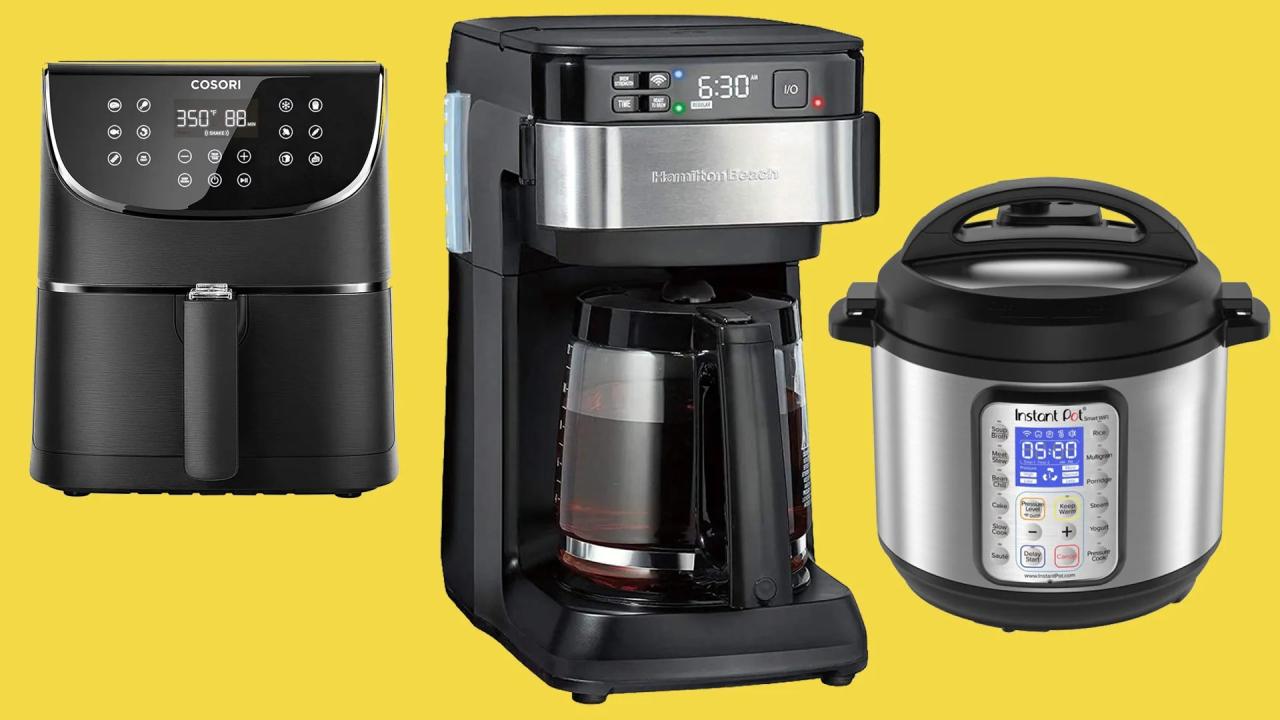
Imagine a kitchen where appliances anticipate your needs, seamlessly integrating to streamline cooking and organization. This isn’t science fiction; it’s the reality of the tech-savvy kitchen, a space enhanced by smart gadgets designed to elevate culinary experiences and simplify daily routines. From smart refrigerators that manage inventory to voice-activated assistants guiding your recipes, the possibilities are vast and exciting.
This exploration delves into the best smart appliances, innovative gadgets, and organizational systems that transform a typical kitchen into a technologically advanced hub. We’ll examine the benefits, drawbacks, and integration challenges of creating this connected culinary environment, considering factors like network security and overall user experience.
Smart Appliances
Smart appliances are revolutionizing the modern kitchen, offering convenience, efficiency, and enhanced control over culinary processes. These connected devices streamline cooking, reduce food waste, and even contribute to a more sustainable lifestyle. The integration of smart technology into kitchen appliances represents a significant leap forward in home automation, providing users with unprecedented levels of control and insight into their culinary activities.
Top Smart Appliances for the Tech-Savvy Kitchen
The following table showcases five leading smart appliances that elevate the culinary experience for tech-savvy individuals. These appliances offer a blend of advanced functionality, seamless connectivity, and intuitive user interfaces.
| Name | Function | Key Features | Price Range |
|---|---|---|---|
| Smart Refrigerator (e.g., Samsung Family Hub) | Food storage, organization, and inventory management | Internal cameras, touchscreen display, recipe suggestions, smart shopping lists, family communication features | $2,000 – $4,000 |
| Smart Oven (e.g., June Oven) | Baking, roasting, air frying, and other cooking functions | Precise temperature control, automated cooking cycles, recipe suggestions, smartphone connectivity | $1,000 – $2,000 |
| Smart Coffee Maker (e.g., Smarter Coffee) | Brewing coffee and other beverages | Scheduled brewing, remote control, customizable brewing settings, strength and volume adjustments | $200 – $400 |
| Smart Slow Cooker (e.g., Crock-Pot Connect) | Slow cooking various meals | Remote control, scheduling options, temperature monitoring, recipe suggestions | $100 – $200 |
| Smart Food Processor (e.g., Breville Sous Vide) | Precise food preparation and cooking | Multiple attachments, temperature control, preset programs, smartphone connectivity | $300 – $600 |
Smart Refrigerator Comparison
This comparison highlights the pros and cons of three leading smart refrigerators, focusing on key features that differentiate them in the market. These features are crucial for consumers seeking to optimize their food management and kitchen efficiency.
| Feature | Refrigerator A (e.g., LG InstaView) | Refrigerator B (e.g., Samsung Family Hub) | Refrigerator C (e.g., Bosch Home Connect) |
|---|---|---|---|
| Inventory Management | Basic inventory tracking via internal cameras; requires manual input | Advanced inventory tracking with automatic item recognition and expiration date reminders | Moderate inventory tracking; relies on user input and barcode scanning |
| Internal Cameras | Provides a clear view of the refrigerator’s interior via a built-in camera | Multiple internal cameras offering a comprehensive view of the refrigerator’s contents | Single internal camera; view may be limited |
| Connectivity | Wi-Fi connectivity; smartphone app for basic control and monitoring | Wi-Fi connectivity; extensive smartphone app with numerous features and integrations | Wi-Fi connectivity; smartphone app with basic control and monitoring |
Energy Efficiency Improvements in Smart Ovens
Smart ovens often incorporate features that contribute to improved energy efficiency compared to traditional models. These improvements not only save energy but also reduce operating costs and minimize environmental impact.
- Precise temperature control: Smart ovens utilize advanced sensors and algorithms to maintain consistent temperatures, minimizing energy waste associated with temperature fluctuations.
- Automated cooking cycles: Preset cooking cycles optimize cooking times and temperatures, reducing energy consumption by preventing overcooking or undercooking.
- Energy-saving modes: Many smart ovens offer energy-saving modes that reduce energy consumption during standby or idle periods.
- Smart preheating: Some models use sensors to predict optimal preheating times, reducing unnecessary energy usage.
Smart Kitchen Gadgets
Beyond the realm of smart refrigerators and ovens lie a plethora of innovative gadgets designed to streamline and enhance the culinary experience. These tools leverage technology to simplify complex tasks, offer personalized control, and ultimately, make cooking more enjoyable and efficient. This section will explore some of the most exciting and practical smart kitchen gadgets available today, focusing on their unique selling propositions and how they contribute to a technologically advanced kitchen.
Several innovative smart kitchen gadgets go beyond the standard smart appliances, offering unique functionalities to improve the cooking process and overall kitchen experience. These advancements are transforming how we approach meal preparation, from planning to execution and cleanup.
Five Innovative Smart Kitchen Gadgets
The following list highlights five smart kitchen gadgets that offer unique benefits beyond the typical smart appliances, improving efficiency and convenience in the kitchen.
- Smart Herb Garden: These self-contained units utilize LED lighting, automated watering systems, and sometimes even nutrient delivery to cultivate fresh herbs indoors year-round. Their unique selling proposition is the consistent availability of fresh herbs, eliminating the need for grocery store trips and ensuring optimal flavor in your dishes.
- Smart Food Processors: Advanced food processors with integrated scales and smart connectivity allow for precise recipe following and automated ingredient measurements. Their USP is the reduction of food waste and the increased accuracy in recipe execution, leading to consistently better results.
- Smart Pan with Temperature Control: These pans incorporate sensors and integrated heating elements to maintain precise cooking temperatures, preventing burning or undercooking. Their unique selling point is the ease of achieving perfectly cooked food, especially for delicate dishes requiring specific temperature control.
- Smart Compost Bin: These bins use sensors to monitor the composting process, alerting you when it’s time to empty or add more material. Their unique selling proposition is the automation of the composting process, minimizing odor and maximizing efficiency.
- Smart Vacuum Sealer: These devices offer precise vacuum sealing capabilities, extending the shelf life of food and minimizing freezer burn. Their USP is the ability to preserve food quality and reduce food waste, saving both money and time.
Smart Coffee Maker: Customization and Connectivity
The “AromaBrew 5000” smart coffee maker exemplifies the convergence of convenience and customization. This sophisticated machine boasts a sleek, minimalist design, featuring a brushed stainless steel exterior and a vibrant touchscreen display. Its understated elegance complements any modern kitchen aesthetic.
The AromaBrew 5000 offers unparalleled customization options. Users can adjust the coffee strength, temperature, and brew time via the intuitive touchscreen or a companion mobile app. Pre-programmed brewing profiles cater to various coffee preferences, while a “My Brew” function allows for the creation and saving of personalized settings. Connectivity features include Wi-Fi integration for remote control and scheduling, as well as integration with popular smart home assistants like Alexa and Google Assistant for voice control.
The built-in grinder ensures freshly ground beans for every cup, further enhancing the brewing experience. Furthermore, the AromaBrew 5000 automatically cleans itself, minimizing maintenance efforts.
Comparison of Smart Kitchen Assistants for Recipe Management and Cooking Guidance
Three prominent smart kitchen assistants – Amazon Alexa, Google Assistant, and Apple Siri – offer varying functionalities in recipe management and cooking guidance. While all three integrate with various smart appliances and offer voice control, their strengths lie in different areas.
| Feature | Amazon Alexa | Google Assistant | Apple Siri |
|---|---|---|---|
| Recipe Access | Integrates with various recipe apps (e.g., Allrecipes, Food Network) offering voice-activated recipe searches and step-by-step guidance. | Similar to Alexa, with integration to numerous recipe platforms and the ability to control smart appliances directly through voice commands. | Offers recipe search through apps like Shortcuts and offers some level of integration with smart appliances, but lacks the widespread recipe app integration of Alexa and Google Assistant. |
| Cooking Guidance | Provides timers and reminders, but lacks detailed, real-time cooking guidance. | Offers timers, reminders, and some step-by-step guidance depending on the integrated recipe app. | Primarily relies on timers and reminders; real-time cooking assistance is limited. |
| Smart Appliance Control | Strong integration with many smart appliances, allowing for voice control of oven temperature, microwave settings, and other functionalities. | Similar to Alexa, offering broad compatibility with a wide range of smart kitchen appliances. | Offers integration with some smart appliances but lags behind Alexa and Google Assistant in overall compatibility. |
Kitchen Organization and Management Systems
Efficient kitchen organization is paramount for a smooth cooking experience and minimizing food waste. Technology offers innovative solutions to streamline this process, enhancing both convenience and sustainability. By leveraging smart systems, we can transform our kitchens into well-oiled machines, optimizing workflow and minimizing the time spent on mundane tasks.
Tech Solutions for Optimized Kitchen Organization and Inventory Management
Smart technology offers several effective solutions for managing kitchen organization and inventory. The following table details three such solutions, highlighting their benefits and drawbacks.
| Solution | Description | Benefits | Drawbacks |
|---|---|---|---|
| Smart Refrigerators with Inventory Tracking | These refrigerators utilize internal cameras and sensors to monitor food items, tracking their quantity and expiration dates. Some models can even generate shopping lists based on low stock. | Reduced food waste, improved meal planning, minimized grocery shopping trips, enhanced organization. | High initial cost, reliance on technology (potential for malfunctions), privacy concerns regarding data collection. |
| Smart Pantry Scales and Apps | These scales connect to apps that track food weight and expiration dates. Users can input food items manually or scan barcodes for automated tracking. | Precise inventory tracking, recipe suggestions based on available ingredients, easy monitoring of expiration dates. | Requires manual input for items without barcodes, app reliance (potential for glitches), additional cost compared to traditional scales. |
| Smart Kitchen Cabinets with Integrated Storage | These cabinets utilize intelligent storage solutions, such as automated pull-out shelves, customizable compartments, and internal lighting. Some models offer inventory tracking capabilities as well. | Improved accessibility, enhanced organization, efficient use of space, potential for integrated inventory management. | High cost, potential for complexity in installation, limited availability compared to other solutions. |
Smart Pantry System Design
A smart pantry system can significantly improve kitchen efficiency and reduce food waste. This system would incorporate a combination of technologies to achieve optimal functionality.The system would include:* Smart Shelves: Each shelf would be equipped with weight sensors to track the quantity of each item. RFID tags attached to food packaging would allow for automatic identification and inventory updates.
Camera System
A small, high-resolution camera would capture images of the pantry contents, providing visual confirmation of inventory levels. This would be useful for items without RFID tags.
Software Application
A user-friendly app would aggregate data from the shelves and camera, displaying real-time inventory levels, expiration dates, and suggesting recipes based on available ingredients. The app would also allow users to manually add items and adjust expiration dates.
Integration with Other Smart Devices
The system would ideally integrate with smart shopping lists and recipe apps, providing a seamless experience. Technical Specifications:* Weight Sensors: Accuracy within 1 gram. Wireless communication via Bluetooth or Wi-Fi.
RFID Readers
Support for various RFID frequencies.
Camera
High-resolution (at least 5MP) with low-light capabilities. Secure cloud storage for image data.
Software
User-friendly interface, recipe suggestion algorithm, integration with popular smart home platforms.
Smart Waste Management Systems in Modern Kitchens
Smart waste management systems in kitchens offer several advantages, including automated sorting, odor control, and reduced landfill waste. However, some drawbacks also exist. Advantages:* Reduced Landfill Waste: These systems often include features for composting food scraps and recycling, diverting waste from landfills.
Improved Hygiene
Automated systems minimize contact with waste, reducing the spread of bacteria and unpleasant odors.
Enhanced Efficiency
Automated sorting streamlines the waste disposal process, saving time and effort.
Environmental Impact Reduction
By reducing landfill waste and promoting recycling, these systems contribute to a smaller carbon footprint. Disadvantages:* High Initial Cost: Smart waste management systems can be expensive to purchase and install.
Technological Dependence
These systems rely on technology, which can malfunction or require maintenance.
Space Requirements
These systems can be bulky and require significant space in the kitchen.
Potential for Data Privacy Concerns
Some systems collect data on waste generation, raising potential privacy issues.
Integration and Connectivity
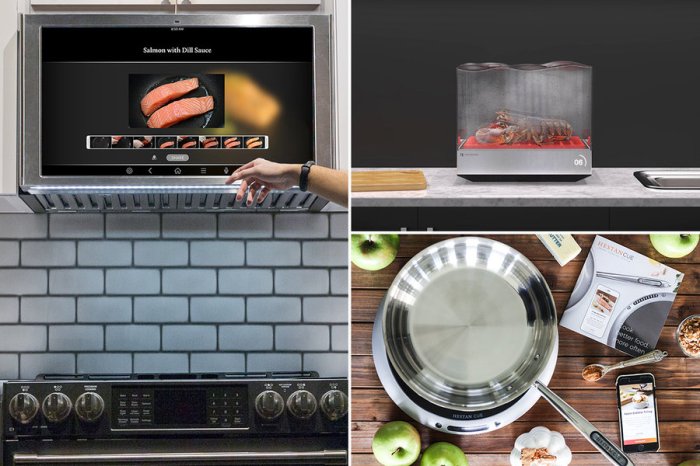
A truly smart kitchen isn’t just a collection of individual smart devices; it’s a cohesive ecosystem where appliances communicate and collaborate to streamline cooking and enhance the overall user experience. This integration relies heavily on seamless connectivity and a robust home network infrastructure. Let’s explore how these elements work together.The synergistic effect of interconnected smart kitchen devices dramatically improves efficiency and convenience.
For example, your smart refrigerator can automatically add items to your grocery list when supplies run low, which is then synced to your smart shopping app. Meanwhile, your smart oven can preheat based on the recipe you selected on your smart tablet, and your smart coffee maker can start brewing as soon as you wake up, thanks to integration with your smart home system.
This interconnectedness eliminates manual tasks and optimizes resource usage.
Smart Kitchen Device Interconnectivity
A robust and reliable home network is the backbone of a fully functional smart kitchen. The smooth operation of numerous connected devices depends on sufficient bandwidth, consistent network stability, and secure data transmission. Imagine a scenario where your smart oven, refrigerator, and coffee maker are all trying to access the network simultaneously. A slow or congested network will lead to delays, interruptions, and frustrating user experiences.
Network speed, therefore, plays a crucial role. A minimum of a gigabit Ethernet connection or a high-speed Wi-Fi network (like Wi-Fi 6 or Wi-Fi 6E) is recommended to handle the data traffic from multiple devices without lag.
Home Network Infrastructure Requirements
Below is a simplified illustration of the connections and data flow in a typical smart kitchen setup:Imagine a flowchart. At the top, we have “User” interacting with a smart tablet. Arrows point from the tablet to: Smart Oven, Smart Refrigerator, Smart Coffee Maker, and Smart Lighting. Each of these devices has an arrow pointing to “Home Network Router,” which in turn has an arrow pointing to “Internet.” Data flows bidirectionally between the user and each device, and each device communicates with the router.
The router ensures that data is securely transmitted to and from the internet. For example, the refrigerator sends data on inventory levels to the cloud, the oven receives cooking instructions from a recipe app, and the coffee maker receives commands from a voice assistant. The smart lighting adjusts based on the time of day or user preferences.
This interconnectedness ensures a smooth and efficient workflow.
Security Risks and Mitigation Strategies
Connected kitchen devices, like any internet-connected device, are susceptible to security breaches. Malicious actors could potentially gain access to your network through vulnerabilities in these devices, potentially compromising personal data, controlling appliances remotely, or even launching more serious attacks.To mitigate these risks, several strategies are essential:
- Strong and unique passwords for each device and your home network.
- Regular software updates to patch security vulnerabilities.
- Use of a strong firewall to protect your network from unauthorized access.
- Enabling two-factor authentication wherever possible.
- Careful selection of reputable brands and devices with robust security features.
- Regularly monitoring your network activity for any suspicious behavior.
By proactively addressing these security concerns, you can significantly reduce the risk of compromise and maintain a secure and reliable smart kitchen environment.
Electronic Telephone Systems (Relevance to Smart Kitchen)
Integrating an electronic telephone system into a smart kitchen offers a surprisingly seamless blend of convenience and safety. Beyond basic calling, this integration unlocks functionalities that enhance the overall smart kitchen experience, improving efficiency and providing a layer of security. The ability to effortlessly manage tasks and respond to emergencies directly from the heart of the home elevates the kitchen’s role beyond simply food preparation.The integration of an electronic telephone system into a smart kitchen can manifest in several ways.
A dedicated smart display, already common in many smart kitchens, can serve as the interface for making calls. This could be as simple as using a built-in application to dial a number or, more sophisticatedly, using voice commands to initiate calls. For example, imagine placing a grocery order directly through a voice command to your preferred retailer, or instantly contacting emergency services in case of an accident during cooking.
This direct integration avoids the need to reach for a separate phone, maintaining focus and efficiency in the kitchen environment.
Voice-Activated Calling Features
Voice-activated calling within smart kitchen devices offers a hands-free experience particularly beneficial when cooking. Imagine a scenario where your hands are covered in flour or you’re carefully tending a delicate dish; the ability to place a call without interrupting the cooking process significantly enhances convenience and safety. The integration might involve a dedicated voice assistant built into the smart oven, refrigerator, or a central smart hub, allowing for seamless communication without needing to touch a device.
The system could even be programmed to prioritize calls from pre-selected contacts, ensuring important communications are never missed. For example, a quick voice command could initiate a call to a family member for assistance or to a local emergency service in the event of a kitchen fire.
Benefits and Drawbacks of Incorporating an Electronic Telephone System
The integration of an electronic telephone system into a smart kitchen environment presents both advantages and disadvantages. It’s crucial to consider these factors before implementing such a system.
Let’s examine the potential benefits and drawbacks:
| Benefits | Drawbacks |
|---|---|
| Enhanced convenience: Hands-free calling and easy grocery ordering. | Privacy concerns: Potential for unauthorized access to calls and data. |
| Improved safety: Quick access to emergency services in case of accidents. | Technical issues: System malfunctions or internet connectivity problems could disrupt service. |
| Increased efficiency: Streamlines communication and task management within the kitchen. | Cost: Implementing and maintaining a sophisticated system can be expensive. |
| Enhanced user experience: Seamless integration with other smart kitchen appliances. | Complexity: Setting up and using the system may require a certain level of technical expertise. |
Building a tech-savvy kitchen is about more than just acquiring the latest gadgets; it’s about creating a streamlined, efficient, and enjoyable cooking experience. By thoughtfully selecting and integrating smart appliances and systems, you can optimize your kitchen workflow, reduce food waste, and even enhance your culinary creativity. The key lies in understanding the individual functionalities of each device and how they collectively contribute to a more connected and intuitive kitchen environment.
Embrace the future of cooking – one smart gadget at a time.
Questions and Answers
What are the initial costs involved in setting up a smart kitchen?
The initial investment varies greatly depending on the chosen gadgets and systems. Expect a range from a few hundred dollars for basic smart appliances to several thousand for a fully integrated, high-end setup.
How much energy can I save with smart appliances?
Energy savings vary depending on the appliance and its features. Smart appliances often offer energy-saving modes and precise temperature control, potentially leading to significant reductions in energy consumption compared to traditional models.
What happens if my smart kitchen’s internet connection fails?
Many smart appliances retain some basic functionality even without internet access. However, features reliant on connectivity, such as remote control and inventory management, will be unavailable until the connection is restored.
Are smart kitchen devices secure from hacking?
While security risks exist, reputable manufacturers implement robust security measures. Regular software updates, strong passwords, and secure network configurations are crucial to mitigating potential vulnerabilities.


