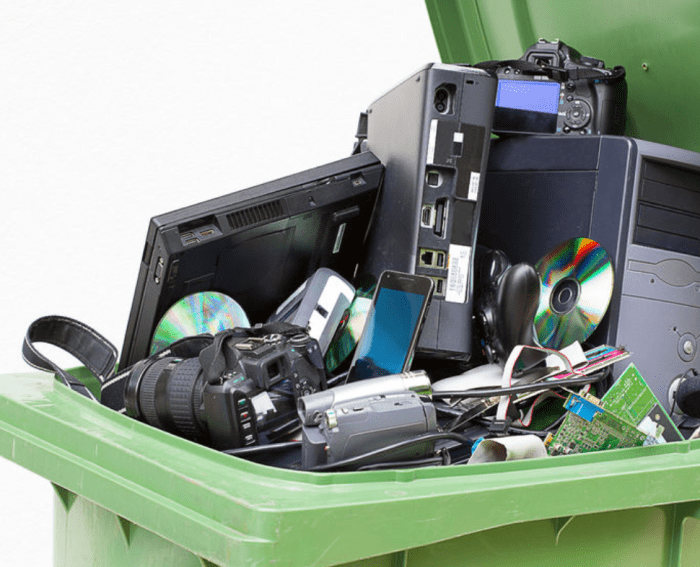
In today’s technologically advanced world, the accumulation of obsolete electronics poses a significant environmental challenge. Improper disposal contributes to pollution and resource depletion. Understanding how to recycle old electronics responsibly is crucial, not only for protecting our planet but also for ensuring the safe handling of potentially hazardous materials. This guide provides a comprehensive approach to responsible e-waste recycling, covering everything from identifying recyclable items to finding reputable recycling programs and understanding the role of both manufacturers and consumers.
We will explore the various steps involved in preparing electronics for recycling, including data erasure and the safe removal of hazardous components like batteries. We’ll delve into the specifics of recycling different electronic components, highlighting the recovery and reuse of valuable materials. Furthermore, we’ll examine the responsibilities of manufacturers in designing for recyclability and the importance of consumer choices in reducing e-waste.
Identifying Recyclable Electronics
Responsible e-waste recycling is crucial for environmental protection and resource conservation. Knowing which electronics can be recycled and how to prepare them for recycling is the first step in this process. This section details common household electronics suitable for recycling, highlighting important considerations for safe and effective disposal.
Many common household items fall under the umbrella of recyclable electronics. However, some components require specialized handling due to their hazardous materials. Understanding these differences is key to ensuring responsible recycling.
Common Recyclable Electronics and Their Components
The following table lists common household electronics, outlining their recyclable components, potential hazards, and any special recycling considerations. Remember that specific recycling programs may vary by location, so always check with your local waste management authority for the most accurate information.
| Item Type | Recycling Considerations | Common Materials | Potential Hazards |
|---|---|---|---|
| Computers (Desktops & Laptops) | Remove hard drives and data securely. | Plastics, metals (aluminum, copper, gold), glass | Heavy metals (lead, mercury), brominated flame retardants |
| Smartphones & Tablets | Remove SIM cards and data securely. | Plastics, metals (aluminum, copper), glass | Heavy metals, batteries |
| Televisions (LCD, LED, Plasma) | Many contain hazardous materials; often require specialized recycling. | Plastics, metals, glass, mercury (in older CRT models) | Mercury (CRT), lead, cadmium |
| Monitors (CRT & LCD) | CRT monitors contain significant amounts of hazardous materials. | Plastics, metals, glass, lead (CRT), mercury (CRT) | Lead (CRT), mercury (CRT), heavy metals |
| Printers & Scanners | Remove ink cartridges separately. | Plastics, metals | Toner (potential respiratory irritant) |
| Small Appliances (e.g., toasters, mixers) | Often contain recyclable metals. | Metals, plastics | Some plastics may contain hazardous substances. |
| Game Consoles | Similar to computers, data should be removed securely. | Plastics, metals | Heavy metals |
Specialized Handling of Electronic Components
Certain electronic components require specialized handling due to the presence of hazardous materials. Improper disposal can lead to environmental contamination and health risks. Batteries, for example, often contain heavy metals like mercury, cadmium, and lead. Similarly, CRT monitors and televisions contain significant amounts of lead and mercury, requiring specific recycling processes to prevent these substances from entering landfills or the environment.
Data Security Before Recycling
Before recycling any electronic device that stores data, it’s crucial to properly erase or destroy all personal information. Simply deleting files is often insufficient, as data recovery is possible. For hard drives, consider secure data erasure software or physical destruction. For smartphones and tablets, factory resetting is a common practice, but additional steps might be needed depending on the sensitivity of the data.
Failing to securely remove data before recycling can lead to identity theft, financial fraud, or other serious security breaches. Responsible data removal is a critical aspect of responsible e-waste recycling.
Locating Responsible Recycling Programs
Finding a trustworthy e-waste recycler is crucial for ensuring your old electronics are handled responsibly and don’t contribute to environmental harm. Many options exist, both nationally and internationally, each with varying levels of commitment to ethical and environmentally sound practices. It’s important to research and choose wisely.Finding a responsible e-waste recycler requires careful consideration. Simply dropping off your old devices isn’t enough; you need to ensure the facility adheres to stringent environmental regulations and ethical business practices.
This section will guide you through identifying reputable programs and verifying their legitimacy.
Reputable E-waste Recycling Facilities and Programs
Numerous organizations offer e-waste recycling services. However, it’s vital to distinguish between legitimate recyclers and those who may engage in less ethical practices. The following list provides examples, but it’s not exhaustive and local options should always be prioritized after verification. Remember to always verify the legitimacy of any program before using their services. Contact information is subject to change, so always check the organization’s website for the most up-to-date details.
- Call2Recycle (North America): A non-profit organization focused on battery recycling. They offer a searchable database to locate drop-off locations. While specific contact information varies by location, their website (www.call2recycle.org) provides detailed information and a location finder.
- Best Buy (North America): Many Best Buy stores offer free recycling for a wide range of electronics, including televisions, computers, and small appliances. Contact your local store for specific details on accepted items and procedures. Their website (www.bestbuy.com) has details on their recycling program.
- Staples (North America): Similar to Best Buy, Staples often participates in e-waste recycling programs. Check their website (www.staples.com) or contact your local store for details on accepted items and procedures.
- Local Municipal Programs: Many cities and towns have their own e-waste recycling programs. Check your local government website or contact your waste management department for details.
Note: International programs vary widely by country and region. Searching online for “[your country/region] e-waste recycling” will yield relevant results. Always verify legitimacy before participation.
Verifying the Legitimacy and Environmental Responsibility of a Recycling Program
Before entrusting your electronics to any recycler, it’s crucial to verify their legitimacy and commitment to environmental responsibility. Several steps can help ensure you’re making a responsible choice.
- Check for Certifications: Look for certifications such as ISO 14001 (environmental management) or e-Stewards, which indicate adherence to specific environmental and ethical standards.
- Review Online Reviews and Ratings: Check online reviews on sites like Yelp or Google Reviews to see what other customers have experienced. Look for patterns of positive or negative feedback regarding the handling of materials and environmental concerns.
- Contact the Recycler Directly: Ask specific questions about their recycling processes, where the electronics are sent, and what happens to the materials. A reputable recycler will be transparent and willing to answer your questions.
- Verify Their Licensing and Permits: Check if the recycler holds the necessary permits and licenses to operate legally in your area. This information is usually available through your local government’s environmental protection agency.
Comparison of Recycling Methods for Various Electronics
Different electronics require different recycling methods due to the varied materials involved. For example, smartphones contain valuable metals like gold and silver, requiring specialized processes for extraction. Televisions, on the other hand, contain hazardous materials like lead and mercury that need careful handling.
- Mechanical Recycling: This involves physically separating materials like plastics and metals using methods such as shredding, crushing, and sorting. This is often used for larger electronics like computers and televisions.
- Chemical Recycling: This uses chemical processes to extract valuable metals from circuit boards and other components. This is particularly important for recovering precious metals like gold and silver.
- Incineration (with energy recovery): In some cases, controlled incineration can be used to recover energy from e-waste while minimizing the release of harmful substances. However, this is a controversial method, and responsible facilities employ advanced emission controls.
The choice of recycling method depends on several factors, including the type of electronic, the cost-effectiveness of the process, and the environmental impact. Reputable recyclers will employ the most appropriate and environmentally sound methods for each type of electronic.
Safe Handling and Preparation for Recycling
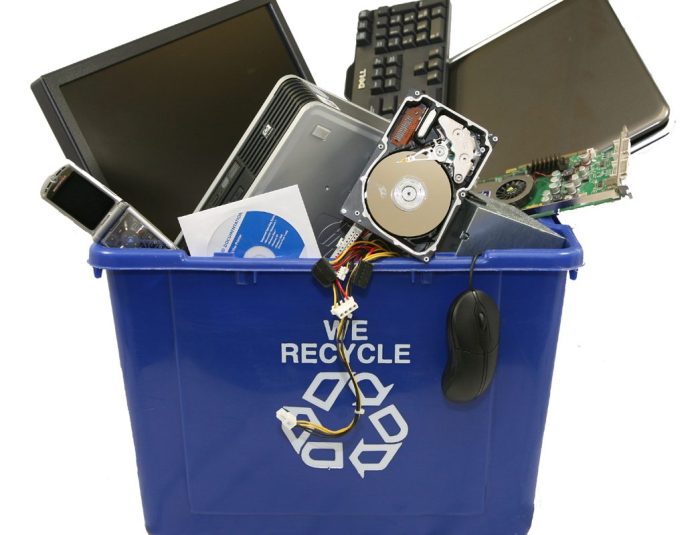
Properly preparing your electronics for recycling is crucial for both environmental protection and personal safety. Improper handling can lead to hazardous materials entering landfills and harming the environment, while neglecting data security can expose sensitive personal information. This section Artikels the necessary steps for safe and responsible e-waste preparation.
Before beginning the recycling process, it’s vital to understand the potential risks involved. Many electronics contain hazardous materials such as lead, mercury, and cadmium, which can leach into the soil and water if disposed of improperly. Additionally, personal data stored on hard drives, smartphones, and other devices can be compromised if not securely erased.
Data Erasure Techniques
Data erasure is a critical first step in preparing electronics for recycling. Simply deleting files isn’t sufficient; malicious individuals can often recover data using specialized software. Secure data erasure methods are necessary to ensure your privacy. These methods range from factory resets offered by device manufacturers to using specialized data wiping software that overwrites data multiple times.
For hard drives, physical destruction (e.g., using a drill) is an option for the most sensitive data.
Battery Removal
Many electronic devices contain batteries, which can pose significant environmental and safety risks if not removed and handled properly. Batteries often contain heavy metals and corrosive chemicals that can contaminate the environment. Before recycling any electronic device, carefully remove all batteries, including those in smaller components like remote controls. Dispose of batteries according to local regulations; many municipalities have dedicated battery recycling programs.
Safe Disassembly of Common Electronic Devices
Preparing electronics for recycling often involves some level of disassembly to separate valuable materials and hazardous components. This process requires careful attention to safety to avoid injury and environmental harm.
Safe Disassembly of a Desktop Computer
Disassembling a desktop computer requires caution due to sharp edges and potential electrical hazards. Always unplug the computer from the power source before starting. The following steps illustrate a safe disassembly process:
- Step 1: Unplug all cables. Carefully disconnect all power cables, USB cables, and other peripherals from the computer tower. This prevents electrical shock and damage to components.
- Step 2: Open the computer case. Most computer cases have screws on the back or sides that need to be removed to open the case. Be careful not to scratch or damage the case during this process.
- Step 3: Remove components. Carefully remove components such as the hard drive, RAM modules, and graphics card, taking note of how each is connected for reassembly if needed. Use anti-static wrist straps to prevent electrostatic discharge damage to sensitive components.
- Step 4: Separate components. Once the components are removed, separate them into categories for recycling (e.g., plastics, metals, circuit boards).
Safe Disassembly of a Smartphone
Smartphone disassembly is more complex and requires specialized tools, but the basic principles of safety remain the same. Always power off the device completely before starting.
- Step 1: Heat the screen. Gently heat the edges of the screen with a hairdryer to soften the adhesive holding it to the frame. This reduces the risk of cracking the screen.
- Step 2: Use suction cup and tools. Use a suction cup and a thin, plastic pry tool to carefully separate the screen from the frame. Avoid using excessive force, as this can damage the screen or internal components.
- Step 3: Remove internal components. Once the screen is removed, carefully remove the battery, and other internal components. Remember to disconnect any ribbon cables before removing the components.
- Step 4: Separate components. Separate the components into categories for recycling, taking care to properly dispose of the battery.
Environmental Impact of Improper E-waste Disposal
Improper e-waste disposal has significant environmental consequences. Landfills are not designed to handle the complex mix of materials found in electronics. Hazardous materials leach into the soil and groundwater, contaminating drinking water sources and harming wildlife. The burning of e-waste releases toxic fumes into the atmosphere, contributing to air pollution and respiratory problems. Furthermore, valuable resources are lost when e-waste is simply discarded instead of being recycled.
For example, the improper disposal of a single cell phone can release enough lead to contaminate 100,000 gallons of water.
Recycling Specific Electronic Components
Responsible recycling of electronics goes beyond simply dropping off a box of old gadgets. Understanding the individual components and their proper disposal is crucial for maximizing resource recovery and minimizing environmental impact. This section details the processes involved in recycling various electronic components, focusing on safe handling and maximizing material recovery.
Many electronic components contain valuable materials that can be recovered and reused, reducing the need for mining new resources and lowering the overall environmental footprint of electronics manufacturing and consumption. This process also prevents the release of harmful substances into the environment, protecting both human health and ecosystems.
Circuit Board Recycling
Circuit boards, the complex heart of most electronics, are a rich source of valuable metals like gold, silver, copper, and palladium. These materials are often present in small quantities but represent significant economic and environmental value when aggregated.
Recycling circuit boards involves a multi-stage process. First, boards are dismantled to separate different materials. Then, they undergo physical processes like shredding and crushing to reduce their size and increase surface area for chemical extraction. Finally, sophisticated techniques like smelting and leaching are used to recover the valuable metals. These processes are highly specialized and often carried out by professional e-waste recyclers.
Plastic Recycling in Electronics
Plastics constitute a significant portion of e-waste. Identifying and sorting these plastics is essential for effective recycling. Many different types of plastics are used in electronics, each with varying recycling capabilities.
Common plastics found in electronics include: ABS (Acrylonitrile Butadiene Styrene), often used for casings; polycarbonate (PC), known for its strength and used in lenses and internal components; and polyethylene terephthalate (PET), frequently used in packaging and some internal components. The recycling process for these plastics involves sorting by type (often identified by a resin identification code), cleaning, and then processing into new products.
The recycling rate for plastics from electronics is lower than for some metals due to the complexities of separating and cleaning different plastic types.
Metal Recycling from E-waste
Metals represent a substantial portion of the valuable materials in e-waste. Beyond the precious metals found in circuit boards, common metals like aluminum, steel, and copper are also present in significant quantities. These metals can be recovered through various methods, contributing to the sustainability of the electronics industry.
The recovery of these metals usually involves dismantling devices, separating metallic components, and then processing them through methods such as shredding, smelting, and refining. These processes allow for the efficient recovery of high-purity metals, which can then be reused in new products, significantly reducing the demand for newly mined resources. For example, the copper recovered from discarded wiring can be re-melted and used in new electrical wiring.
Recovery and Reuse of Valuable Materials
The recovery and reuse of valuable materials from e-waste is crucial for both environmental and economic reasons. The process significantly reduces the environmental impact of electronic manufacturing by reducing the demand for virgin materials, decreasing mining activities, and minimizing landfill waste.
Furthermore, the recovery of precious metals like gold and silver has significant economic benefits. The value of these recovered materials can offset the costs of recycling, making responsible e-waste management a financially viable option. Companies are increasingly investing in advanced technologies to improve the efficiency and profitability of material recovery from e-waste.
The Role of Manufacturers and Consumers
Responsible e-waste management requires a collaborative effort between manufacturers and consumers. Both parties play crucial roles in minimizing the environmental impact of discarded electronics. Manufacturers bear a significant responsibility in designing products for recyclability, while consumers must make informed purchasing decisions and dispose of electronics appropriately.Manufacturers have a critical role in reducing e-waste throughout the product lifecycle. This includes designing products with easily separable components, using recyclable materials, and providing clear instructions for recycling.
Furthermore, manufacturers should actively participate in take-back programs and invest in recycling infrastructure. By embracing these practices, manufacturers can significantly reduce the environmental burden associated with their products.
Manufacturer Responsibilities in E-waste Reduction
Manufacturers can significantly influence the recyclability of electronics through design choices. For instance, using modular designs allows for easier component separation during recycling, increasing the recovery rate of valuable materials. Choosing recyclable materials, such as plastics marked with recycling symbols, also simplifies the process. Furthermore, minimizing the use of hazardous substances, like lead and mercury, reduces environmental risks during recycling.
Finally, providing clear and accessible information on proper disposal and recycling methods on product packaging and websites empowers consumers to recycle responsibly. Companies like Apple have implemented initiatives focusing on using recycled materials in their products and offering comprehensive recycling programs, setting an example for the industry.
Consumer Responsibilities in E-waste Management
Consumers play a vital role in minimizing e-waste by making conscious purchasing decisions and disposing of electronics responsibly. Choosing products from manufacturers with strong environmental commitments, prioritizing durability and repairability over disposability, and extending the lifespan of existing electronics are all impactful steps. Actively participating in take-back programs, using certified e-waste recyclers, and avoiding illegal dumping are crucial actions to prevent electronic waste from ending up in landfills or being improperly processed.
Consumers can also research and support initiatives promoting responsible e-waste management within their communities.
Extended Producer Responsibility (EPR) Models
Extended Producer Responsibility (EPR) models vary significantly across countries. These models hold producers accountable for the end-of-life management of their products, incentivizing them to design for recyclability and participate in take-back programs. The European Union, for example, has implemented comprehensive EPR directives for a wide range of products, including electronics. These directives set targets for recycling rates and hold producers financially responsible for the collection and recycling of their products.
In contrast, the United States has a more fragmented approach, with various state-level programs and voluntary initiatives. While some states have established EPR programs for specific electronic types, a nationwide, standardized system is yet to be implemented. Japan, on the other hand, has a robust system with a high recycling rate for electronics, achieved through a combination of producer responsibility, consumer awareness campaigns, and government regulations.
These differing approaches highlight the diverse strategies employed globally to tackle the challenge of e-waste.
Electronic Telephone Systems and Recycling
Electronic telephone systems, encompassing a wide range of devices from traditional landlines to complex PBX systems and VoIP equipment, present unique challenges and opportunities in the realm of electronics recycling. Understanding the composition of these systems and employing responsible recycling practices is crucial for minimizing environmental impact and maximizing resource recovery.
The complexity of these systems, however, varies greatly depending on age and technology. Older systems often contain more hazardous materials, while newer models incorporate more easily recyclable components. This necessitates a nuanced approach to recycling, tailored to the specific characteristics of each system.
Components of Electronic Telephone Systems and Their Recyclability
The following table details the common components found in electronic telephone systems, their material composition, typical recycling methods, and associated environmental considerations.
| Component | Material Composition | Recycling Method | Environmental Considerations |
|---|---|---|---|
| Circuit Boards | Various metals (gold, silver, copper, lead), plastics (epoxy resins, brominated flame retardants), ceramics | Mechanical separation, smelting, chemical extraction | Potential for leaching of heavy metals if not handled properly; concerns regarding brominated flame retardants. |
| Cables and Wiring | Copper, plastic insulation (PVC, polyethylene) | Shredding, separation of metals and plastics, recycling of copper | PVC insulation can release harmful dioxins during incineration; proper handling is crucial. |
| Housing/Casings | Plastics (ABS, polycarbonate), metals (aluminum, steel) | Mechanical separation, recycling of plastics and metals | Depending on the plastic type, recycling may be limited; proper sorting is essential. |
| Power Supplies | Transformers (iron, copper), capacitors (various materials), semiconductors | Disassembly, separation of components, recycling of metals | Potential for release of hazardous substances if not handled properly; careful dismantling is necessary. |
| Batteries | Nickel-cadmium (NiCd), nickel-metal hydride (NiMH), lithium-ion (Li-ion) | Specialized battery recycling facilities | Potential for environmental contamination if improperly disposed; requires specialized handling due to hazardous materials. |
Best Practices for Recycling Obsolete Telephone Systems
Effective recycling of obsolete telephone systems, including PBX systems and VoIP equipment, requires a structured approach. This involves proper handling, disassembly where necessary, and utilizing certified e-waste recyclers.
For example, a large company decommissioning its PBX system should contract with a certified recycler who can safely dismantle the system, separate components, and recycle materials according to best practices. Smaller scale recycling, such as individual users disposing of older phones, can be achieved through responsible drop-off programs or mail-in recycling services offered by manufacturers or e-waste recyclers.
Challenges in Recycling Older Telephone Systems
Recycling older telephone systems often presents greater challenges compared to newer models. Older systems may contain more hazardous materials such as lead, cadmium, and PCBs (polychlorinated biphenyls), requiring specialized handling and processing to prevent environmental contamination. Furthermore, the design and construction of older systems may make disassembly and component separation more difficult and time-consuming, impacting the efficiency and cost-effectiveness of the recycling process.
The lack of standardized recycling protocols for older technologies also adds complexity to the process.
Responsible e-waste recycling is not merely a trend; it’s a necessity for a sustainable future. By understanding the process, from identifying recyclable items to choosing reputable recycling programs, and by actively participating in responsible purchasing and disposal practices, we can collectively minimize the environmental impact of our electronic devices. This collaborative effort, encompassing manufacturers, consumers, and recycling facilities, is key to effectively managing e-waste and preserving our planet’s resources.
Let’s work together to make responsible e-waste recycling the norm.
Helpful Answers
What should I do with old cell phone batteries?
Cell phone batteries should be removed and recycled separately from the phone itself. Many electronics retailers and municipalities offer battery recycling programs.
Can I recycle my broken electronics?
Yes, even broken electronics can be recycled. Many recycling programs accept broken items, though some components may require specialized handling.
Are there any fees associated with e-waste recycling?
Some programs are free, while others may charge a fee depending on the type and quantity of electronics. Check with your local recycling center for details.
How do I securely erase data from my old hard drive?
Use specialized data wiping software to securely erase data before recycling. Physically destroying the hard drive is also an option.


