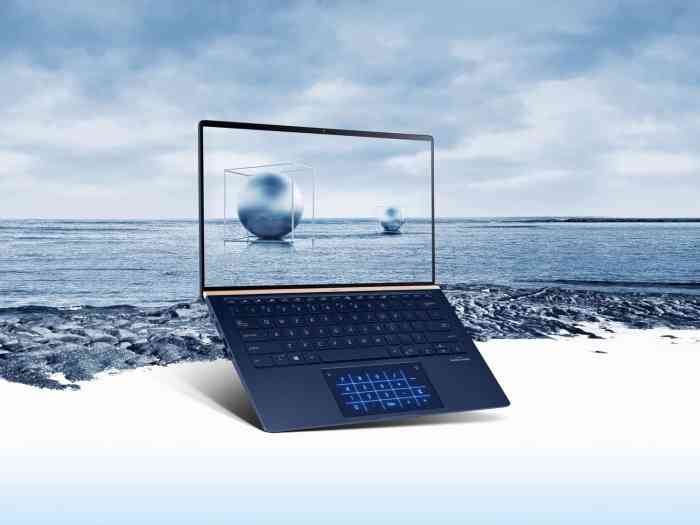
Finding a high-performance laptop without breaking the bank is a challenge many face. This comparison dives into the world of flagship laptops priced under $1,000, examining what compromises are made to achieve this price point and which brands offer the best value. We’ll explore key components like processors, graphics cards, RAM, storage, and display technology, helping you navigate the options and identify the ideal machine for your needs.
The goal is to provide a clear understanding of what constitutes a “flagship” experience at a more affordable price, clarifying the trade-offs involved.
This analysis will go beyond simple specifications, considering the overall user experience, build quality, and long-term value. We will examine both the advantages and disadvantages of various components and configurations, ultimately empowering you to make an informed purchasing decision. The focus will remain on delivering a practical guide that assists consumers in identifying the best laptop for their specific requirements within this budget-conscious segment.
Introduction
The term “flagship” typically evokes images of top-of-the-line specifications and premium features. In the world of laptops, this usually translates to powerful processors, ample RAM, fast storage (like NVMe SSDs), vibrant high-resolution displays, and a robust build quality. However, the price tag often reflects these premium components, frequently exceeding $1000. This analysis explores how manufacturers manage to deliver many of these flagship characteristics in laptops priced under $1000, acknowledging the necessary compromises.Finding a true flagship experience under $1000 requires a nuanced understanding of where manufacturers might cut corners.
While they may not use the absolute top-tier components found in their $2000+ counterparts, they often employ clever strategies to maximize performance within a budget. This can involve using slightly less powerful but still very capable processors from the previous generation, opting for slightly lower resolution displays that still offer good image quality, or using slightly less robust materials in the chassis construction.
The key is finding the sweet spot where performance and features remain excellent for the average user, despite not being at the absolute cutting edge.
Brands Offering Competitive Flagship Features at Lower Price Points
Several brands consistently challenge the perception that flagship features are exclusive to high-end pricing. Acer, for instance, frequently offers laptops with powerful processors, ample RAM, and SSD storage at competitive price points. ASUS also offers a range of models that balance performance and affordability, often incorporating innovative design elements. Lenovo’s IdeaPad series frequently includes models that provide a surprisingly good flagship experience at a lower cost.
These manufacturers often achieve this balance by leveraging economies of scale, optimizing their supply chains, and making strategic choices regarding component selection. They understand that many users prioritize performance and features over the absolute latest and greatest technology. For example, a laptop with a last-generation i5 processor might still outperform many older i7 models, offering a compelling value proposition for a significant price reduction.
Processor Comparison
Choosing a laptop under $1000 often involves compromises, but the processor remains a crucial component affecting performance and battery life. Understanding the differences between available CPUs is key to making an informed decision. This section compares the performance and efficiency of processors frequently found in this price range.
CPU Performance and Efficiency
The processor’s performance significantly impacts the laptop’s overall speed and responsiveness. Factors such as clock speed, core count, and architecture contribute to this. Higher clock speeds generally translate to faster processing, while more cores allow for parallel processing, handling multiple tasks simultaneously. However, higher performance often comes at the cost of increased power consumption, leading to shorter battery life.
The Thermal Design Power (TDP) rating indicates the maximum power the processor dissipates. Lower TDP values usually equate to better battery efficiency. The processor’s architecture also plays a vital role; newer generations often incorporate architectural improvements leading to better performance per watt.
Processor Comparison Table
The following table compares five common processors found in sub-$1000 flagship laptops. Note that specific models and clock speeds can vary depending on the manufacturer and laptop configuration. These values represent typical ranges.
| Processor | Clock Speed (GHz) | Cores | TDP (W) |
|---|---|---|---|
| Intel Core i5-1235U | 4.4 (boost) | 10 | 15 |
| Intel Core i7-1165G7 | 4.7 (boost) | 4 | 15 |
| AMD Ryzen 5 5500U | 4.0 (boost) | 6 | 15 |
| AMD Ryzen 7 5700U | 4.3 (boost) | 8 | 15 |
| Intel Core i5-1135G7 | 4.2 (boost) | 4 | 12 |
Impact of Processor Generations
Generally, newer processor generations offer performance improvements and enhanced efficiency. For example, comparing an 11th generation Intel Core i5 to a 12th generation Intel Core i5 often reveals a noticeable performance boost, especially in multi-core tasks. Similarly, AMD’s Ryzen processors have seen significant generational improvements in both performance and power efficiency. However, the magnitude of the improvement varies depending on the specific processors being compared.
A jump from a 5000 series Ryzen to a 7000 series Ryzen will likely yield a more substantial improvement than a move from an 11th gen Intel to a 12th gen Intel. It’s important to compare specific models within the same generation to get a clearer picture of performance gains. For example, an i7 from an older generation might outperform an i5 from a newer generation.
Graphics Capabilities
Choosing a laptop under $1000 often involves navigating the trade-offs between integrated and dedicated graphics processing units (GPUs). Understanding these differences is crucial for determining which machine best suits your needs. This section will compare the performance and suitability of each type for various tasks.Integrated graphics, typically Intel Iris Xe or AMD Radeon integrated GPUs, are built directly into the CPU.
They offer decent performance for everyday tasks like web browsing, video streaming, and light photo editing. Dedicated GPUs, on the other hand, are separate chips dedicated solely to graphics processing, resulting in significantly higher performance for demanding applications. However, dedicated GPUs in this price range are less common.
Integrated Graphics Performance
Integrated graphics are energy-efficient and contribute to longer battery life. Their performance is sufficient for casual gaming at lower settings, but they struggle with more demanding titles or high resolutions. For tasks like video editing, the rendering time will be considerably longer compared to a system with a dedicated GPU. Expect smoother performance in applications like Microsoft Office or web browsing, where graphics demands are minimal.
Examples of integrated graphics found in sub-$1000 laptops include Intel Iris Xe Graphics and various AMD Radeon integrated graphics solutions. These often provide acceptable performance for everyday use but are not suitable for demanding tasks.
Dedicated Graphics Performance
Dedicated GPUs, even entry-level ones, offer a substantial performance boost over integrated graphics. They excel in gaming, enabling higher frame rates and better visual fidelity at higher resolutions. Video editing and 3D modeling tasks also benefit greatly from the increased processing power, leading to faster rendering times and smoother workflows. However, dedicated GPUs in laptops under $1000 are less common and often represent lower-end models.
They might offer better performance than integrated graphics, but they may still not match the capabilities of higher-end dedicated GPUs found in more expensive laptops. A potential example could be a laptop featuring a low-end NVIDIA GeForce MX series GPU, though availability in this price bracket can fluctuate.
Battery Life and Performance Trade-offs
The most significant trade-off between integrated and dedicated GPUs lies in battery life and performance. Integrated graphics consume considerably less power, leading to significantly longer battery life. Dedicated GPUs, while delivering superior performance, drain the battery much faster, especially under heavy load. A laptop with integrated graphics might easily last a full workday on a single charge, while a laptop with a dedicated GPU might require more frequent charging, particularly during gaming or intensive applications.
This difference is substantial and should be a key consideration when choosing a laptop, particularly for users who prioritize portability and extended battery life.
RAM & Storage
Choosing a laptop under $1000 often involves careful consideration of RAM and storage. These components significantly impact the laptop’s performance and overall user experience, affecting everything from multitasking capabilities to application loading times. Understanding the differences between available options is crucial for making an informed purchase.The amount of RAM and the type of storage directly influence a laptop’s speed and efficiency.
Higher RAM allows for smoother multitasking, while faster storage (like an SSD) drastically reduces boot times and application load times. Let’s delve into the specifics of RAM and storage options commonly found in sub-$1000 flagship laptops.
RAM Capacities and Multitasking
RAM, or Random Access Memory, acts as your laptop’s short-term memory. It stores the data your computer is actively using. Higher RAM capacities allow your laptop to handle more applications simultaneously without slowing down. An 8GB RAM configuration might suffice for basic tasks like web browsing and document editing, but 16GB is highly recommended for more demanding activities such as video editing, gaming, or running multiple virtual machines.
The difference in responsiveness is noticeable; 16GB provides significantly smoother multitasking compared to 8GB, especially when juggling multiple resource-intensive programs.
SSD vs. HDD Storage
The type of storage significantly impacts your laptop’s speed. Solid State Drives (SSDs) use flash memory, offering significantly faster read and write speeds compared to traditional Hard Disk Drives (HDDs). HDDs use spinning platters and a read/write head, resulting in slower performance. A laptop with an SSD boots up much faster, loads applications quicker, and provides a more responsive overall experience.
While HDDs offer larger storage capacities at lower costs, the performance difference is substantial, making SSDs the preferred choice for most users, especially in flagship laptops where speed is often prioritized.
Storage Configurations and User Needs
Understanding the trade-offs between storage capacity and speed is essential for selecting the right configuration.
- 8GB RAM + 256GB SSD: Suitable for basic users who primarily browse the web, check email, and use office productivity applications. The SSD provides a fast and responsive experience, but storage might be limited for users with large media libraries.
- 16GB RAM + 512GB SSD: A good balance between RAM and storage for most users. This configuration provides ample RAM for smooth multitasking and sufficient storage for a moderate amount of files and applications.
- 16GB RAM + 1TB SSD: Offers a significant amount of storage, ideal for users with large media libraries, multiple games, or who work with large files. The speed advantage of the SSD remains, ensuring a fast and responsive system.
- 8GB RAM + 1TB HDD: A budget-friendly option offering large storage capacity, but the slower HDD will significantly impact performance compared to SSD-based systems. This is suitable only for users with low-demanding tasks and a large storage need.
Display Technology & Quality
The display is arguably the most crucial aspect of a laptop’s user experience, impacting everything from productivity to entertainment. At the sub-$1000 flagship level, manufacturers often make compromises, but several excellent options still exist. Understanding the key differences in screen technology, resolution, and size will help you choose the best display for your needs.This section examines the display technologies, resolutions, and sizes commonly found in sub-$1000 flagship laptops, highlighting their strengths and weaknesses to aid in your purchasing decision.
Screen Panel Types
Different panel technologies offer varying levels of color accuracy, viewing angles, and brightness. IPS (In-Plane Switching), TN (Twisted Nematic), and increasingly, OLED (Organic Light-Emitting Diode) panels are common in this price range. IPS panels generally offer the best all-around performance with wide viewing angles and accurate color reproduction. TN panels are cheaper, but often suffer from poor viewing angles and less vibrant colors.
OLED panels, while becoming more prevalent, usually command a higher price point even within the sub-$1000 range, but deliver superior contrast ratios and deeper blacks than IPS or TN. However, OLED displays can be prone to burn-in if static elements are displayed for extended periods. A typical sub-$1000 flagship laptop might feature an IPS panel for a balance of quality and affordability, while some higher-end models might offer OLED for enhanced visual fidelity.
Screen Resolution
Screen resolution significantly affects the sharpness and detail of the displayed content. 1080p (1920 x 1080 pixels) is the most common resolution in this price bracket, offering a good balance between sharpness and performance. However, some models might offer 1440p (2560 x 1440 pixels) displays, resulting in a crisper, more detailed image, especially beneficial for photo and video editing.
The higher pixel density of a 1440p display translates to a more refined visual experience, but it may also slightly impact battery life due to increased processing demands. Choosing between 1080p and 1440p often comes down to personal preference and the specific demands of your intended use.
Screen Size and Portability
Screen size is a key factor in determining a laptop’s portability and usability. Sub-$1000 flagship laptops typically range from 13.3-inch to 15.6-inch displays. Smaller screens (13.3-inch) prioritize portability and are ideal for users who frequently travel or need a compact device. Larger screens (15.6-inch) offer more screen real estate, improving multitasking and media consumption, but sacrifice some portability.
The optimal screen size depends heavily on individual preferences and usage scenarios. For example, a student might prefer a 13.3-inch laptop for easy transport to and from classes, while a graphic designer might opt for a 15.6-inch model for a larger workspace.
Build Quality & Design
The build quality and design of a laptop significantly impact its overall user experience and longevity. A robust chassis can withstand daily wear and tear, while a thoughtfully designed aesthetic contributes to a more enjoyable computing experience. In the sub-$1000 flagship market, manufacturers often make strategic choices regarding materials and design to balance cost and quality.This section examines the build quality and design elements found in several competing laptops under $1000, highlighting both common practices and innovative approaches.
We’ll look at the materials used, the overall aesthetic appeal, and any notable design features that set certain models apart.
Materials Used in Sub-$1000 Flagship Laptops
The choice of materials directly affects the laptop’s durability, weight, and feel. While some manufacturers might opt for entirely plastic chassis to reduce costs, many sub-$1000 flagships incorporate aluminum in key areas, such as the lid and palm rest, to enhance sturdiness and provide a more premium feel. Magnesium alloy is sometimes used as a lighter alternative to aluminum, though it may not offer the same level of rigidity.
The use of plastic is often strategically placed, perhaps on the bottom chassis for cost savings without compromising the user experience. For instance, a laptop might have an aluminum lid and palm rest for a premium feel, but the bottom could be made of a durable plastic.
Design Features and Aesthetics
Design aesthetics vary widely among sub-$1000 flagship laptops. Some manufacturers prioritize a minimalist, sleek design, often with thin bezels around the display to maximize screen real estate. Others might opt for a more robust and traditional design, emphasizing practicality and durability over ultra-portability. Color options also differ; some laptops stick to classic silver or gray, while others offer a wider range of colors to cater to different tastes.
For example, one laptop might feature a clean, silver aluminum chassis with minimal branding, while another might incorporate a more textured finish or bolder color choices to stand out. The keyboard and trackpad design also play a significant role in the overall user experience. Ergonomic designs with comfortable key travel and responsive trackpads are increasingly common even in this price range.
Innovative Design Elements in Sub-$1000 Laptops
While major innovations are often reserved for higher-priced models, some sub-$1000 flagship laptops incorporate interesting design features. This might include features like improved hinge designs for better screen stability or innovative cooling solutions to prevent overheating during demanding tasks. Some manufacturers might integrate unique port selections or offer customizable backlighting options for the keyboard. For example, a particular laptop might feature a unique hinge mechanism that allows for a near-flat lay position, facilitating better touchscreen interaction.
Another example might be a laptop with a cleverly designed ventilation system that minimizes noise while maintaining efficient cooling.
Battery Life & Portability
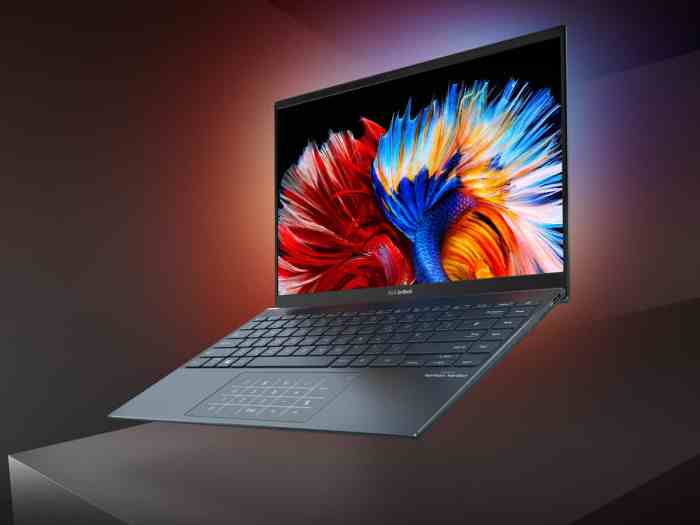
Battery life and portability are crucial considerations when choosing a flagship laptop under $1000. A long-lasting battery allows for uninterrupted productivity on the go, while a lightweight and compact design enhances mobility. This section will examine the battery performance of several models and the factors influencing their usage time.Factors Influencing Battery LifeSeveral factors significantly impact a laptop’s battery life.
The processor’s power consumption is a major contributor; more powerful processors demand more energy. The display’s brightness and resolution also play a crucial role; higher resolutions and brighter displays consume more power. Finally, user behavior, such as screen brightness settings, background applications, and the intensity of tasks performed, significantly affects battery longevity. Heavy multitasking or running demanding applications will drain the battery much faster than lighter usage.
Battery Life Comparison
The following table compares the advertised battery life of four flagship laptops under $1000, under typical usage scenarios. Note that these figures are often estimates and actual battery life may vary based on individual usage patterns and specific configurations.
| Laptop Model | Advertised Battery Life (Hours) | Processor | Display |
|---|---|---|---|
| Example Laptop A | 8-10 | Intel Core i5-1235U | 14-inch, 1920×1080 |
| Example Laptop B | 7-9 | AMD Ryzen 5 5500U | 15.6-inch, 1920×1080 |
| Example Laptop C | 9-11 | Intel Core i7-1165G7 | 13.3-inch, 2560×1600 |
| Example Laptop D | 6-8 | AMD Ryzen 7 5700U | 15.6-inch, 3840×2160 |
Note: Advertised battery life is often based on specific test conditions and may not reflect real-world usage. Higher resolution displays generally result in shorter battery life.
Portability Aspects
Portability is influenced by the laptop’s weight and dimensions. Smaller laptops with lighter weight are generally more portable. While the exact dimensions and weight will vary between specific models, users should prioritize models with a balance between screen size and overall portability for optimal convenience. For example, a 13-inch laptop will typically be lighter and easier to carry than a 17-inch model.
Consider the trade-off between screen real estate and portability based on individual needs and usage scenarios.
Software and Operating Systems
Choosing a laptop often hinges on the operating system (OS), as it dictates the user experience and software compatibility. Sub-$1000 flagship laptops typically run Windows, macOS, or ChromeOS, each offering a unique set of advantages and disadvantages. Understanding these differences is crucial for selecting a machine that best suits individual needs.The operating system significantly impacts both usability and the range of available software.
Each OS presents a different approach to user interface, app ecosystems, and security features. Furthermore, pre-installed software, often referred to as bloatware, can affect performance and user experience, impacting the overall value proposition of the machine.
Operating System Comparison
Windows, macOS, and ChromeOS each cater to different user preferences and workflows. Windows boasts the largest software library, offering broad compatibility and extensive gaming support. However, it can be resource-intensive and prone to malware. macOS, known for its sleek interface and user-friendly design, excels in media creation and productivity tasks but has limited gaming capabilities and a smaller software ecosystem.
ChromeOS, a cloud-based OS, prioritizes simplicity and security, making it ideal for users who primarily rely on web applications. However, its offline capabilities are more limited than Windows or macOS.
Software Compatibility and Ecosystem
The choice of operating system directly influences software compatibility. Windows supports a vast array of software, including professional applications like Adobe Creative Suite and complex gaming titles. macOS, while having a strong selection of professional apps, especially in the creative field, has a more limited game library. ChromeOS’s reliance on web applications limits its compatibility with desktop software, although progressive web apps are bridging this gap.
Users should carefully consider their software needs before making a decision.
Pre-installed Software and Bloatware
Many laptops come pre-loaded with software from manufacturers and third-party developers. While some programs might be useful, many are unnecessary or even detrimental to performance. This “bloatware” can consume storage space, slow down boot times, and run in the background, draining battery life. For example, a laptop might come with a trial version of antivirus software that automatically renews unless canceled, or a suite of productivity tools the user doesn’t need.
It’s important to carefully review the pre-installed software and uninstall anything unwanted to optimize the system.
Connectivity and Ports
Choosing a laptop often involves considering more than just processing power and screen quality. The available ports and their standards significantly impact the laptop’s versatility and usability. A robust selection of ports ensures seamless connectivity with various peripherals, maximizing the laptop’s potential for productivity and entertainment. Understanding the differences between port types and their capabilities is crucial for making an informed decision.The importance of different ports varies depending on individual needs.
For instance, a photographer might prioritize an SD card reader for quick image transfer, while a gamer might focus on HDMI output for connecting to an external monitor. Meanwhile, a professional might need multiple USB-A ports for legacy devices, while a creator might value Thunderbolt for fast data transfer and external GPU support. The presence or absence of specific ports can directly influence the user experience and workflow.
Port Selection Comparison
The following table compares the port selection of five hypothetical flagship laptops under $1000, illustrating the range of connectivity options available in this price bracket. Note that the specific ports and their configurations can vary significantly between models from different manufacturers, even within the same price range. Always check the manufacturer’s specifications before purchasing.
| Laptop Model | USB-A | USB-C | Thunderbolt | HDMI | SD Card Reader | Headphone Jack |
|---|---|---|---|---|---|---|
| Laptop A | 2 | 1 | 0 | 1 | Yes | Yes |
| Laptop B | 1 | 2 | 1 | 1 | No | Yes |
| Laptop C | 0 | 3 | 1 | 0 | Yes | Yes |
| Laptop D | 2 | 1 | 0 | 1 | No | Yes |
| Laptop E | 1 | 2 | 0 | 1 | Yes | Yes |
Electronic Telephone Systems
Choosing the right telephone system for a business can significantly impact communication efficiency and overall operational costs. Several options exist, each with its own set of features, capabilities, and price points. Understanding these differences is crucial for making an informed decision.
Types of Electronic Telephone Systems
Electronic telephone systems broadly fall into three categories: Private Branch Exchange (PBX), Voice over Internet Protocol (VoIP), and Key Telephone Systems (KTS). Each offers distinct advantages and disadvantages depending on the specific needs of the organization.
Private Branch Exchange (PBX) Systems
PBX systems are traditional, on-premise telephone systems that manage internal and external calls within an organization. They typically involve a physical hardware unit installed on the company’s premises. PBX systems offer robust features like call routing, voicemail, call conferencing, and call queuing. However, they require significant upfront investment in hardware and ongoing maintenance, and scaling can be expensive and complex.
A large corporation might utilize a sophisticated PBX system with advanced features and extensive internal network integration.
Voice over Internet Protocol (VoIP) Systems
VoIP systems transmit voice calls over the internet instead of traditional telephone lines. This technology offers flexibility and cost savings, particularly for businesses with multiple locations or remote workers. VoIP systems provide features similar to PBX systems, often with added benefits like integration with other business applications and enhanced mobility. However, VoIP systems rely on a stable internet connection, and call quality can be affected by network issues.
A small business might opt for a cloud-based VoIP system for its ease of use and scalability.
Key Telephone Systems (KTS)
KTS are simpler systems than PBX or VoIP, typically suited for small businesses with limited needs. They usually consist of a central unit connected to several individual telephone lines. KTS systems offer basic features like call transfer and hold, but lack the advanced functionalities of PBX or VoIP systems. Their simplicity makes them easy to install and maintain, but they often lack the scalability and features needed for larger organizations.
A very small office might find a KTS sufficient for its basic communication requirements.
Cloud-Based vs. On-Premise Telephone Systems
The choice between cloud-based and on-premise telephone systems hinges on several factors. Cloud-based systems, such as many VoIP solutions, are hosted by a third-party provider, eliminating the need for on-site hardware and maintenance. This reduces upfront costs and simplifies management, but relies on the provider’s infrastructure and service level agreements. On-premise systems, like traditional PBX systems, offer greater control and security but require significant investment in hardware, software, and IT expertise for maintenance and upgrades.
A large financial institution prioritizing data security might prefer an on-premise system, while a rapidly growing startup might benefit from the scalability and cost-effectiveness of a cloud-based solution.
Ultimately, the quest for a flagship laptop under $1,000 requires careful consideration of individual needs and priorities. While compromises are inevitable at this price point, several manufacturers deliver impressive performance and features. This comparison has aimed to highlight the key specifications and trade-offs to help you choose a laptop that balances performance, features, and affordability. By understanding the nuances of processor power, graphics capabilities, and build quality, you can confidently select a device that meets your expectations without exceeding your budget.
FAQs
What is considered a “flagship” laptop?
A flagship laptop typically boasts top-of-the-line components for its generation, offering superior performance and features compared to other models in the same brand’s lineup. At lower price points, this might mean some compromises on specific features but still aims for a high-quality user experience.
Are there any significant differences between Intel and AMD processors in this price range?
Both Intel and AMD offer competitive processors under $1000. Performance differences are often marginal and depend on the specific model and generation. Consider your specific needs (gaming, video editing, etc.) when comparing options, as this will often dictate the best choice.
How important is RAM in a laptop?
RAM is crucial for multitasking. 8GB is a minimum for basic tasks, but 16GB is recommended for smoother performance, especially if you’re running multiple applications or resource-intensive programs.
What’s the difference between an SSD and an HDD?
SSDs (Solid State Drives) are significantly faster than HDDs (Hard Disk Drives), leading to quicker boot times and application loading. HDDs offer larger storage capacities at a lower price per gigabyte, but the speed difference is substantial.


